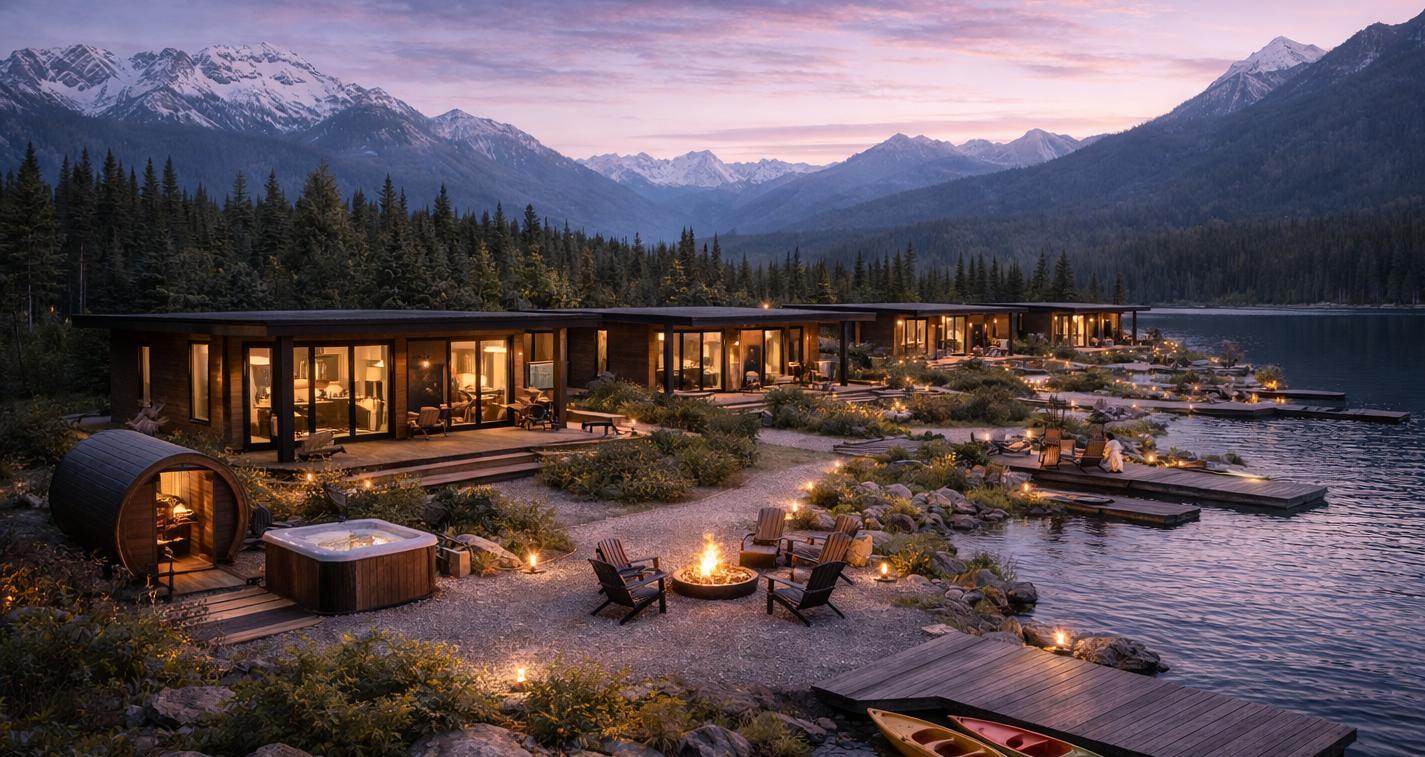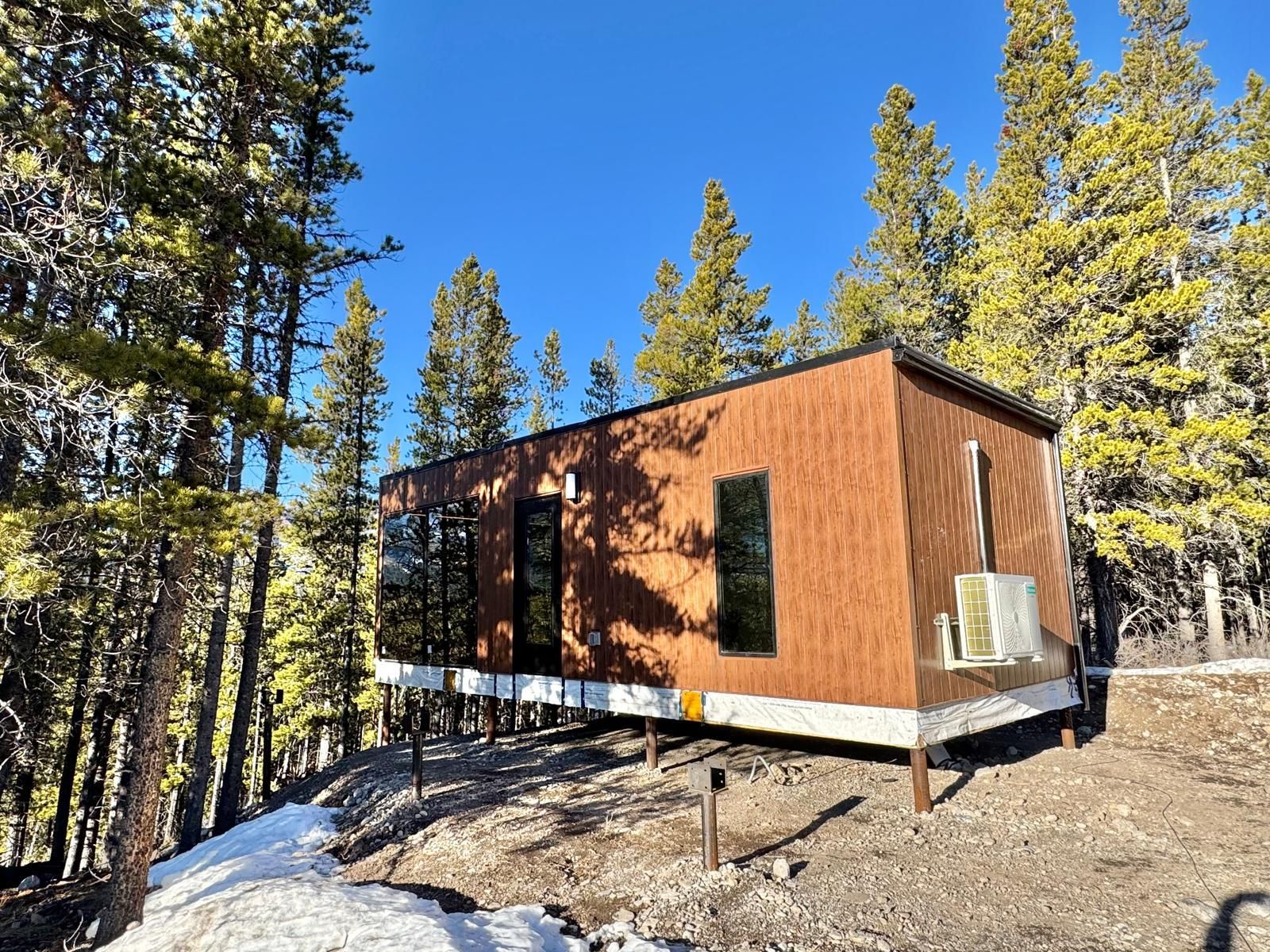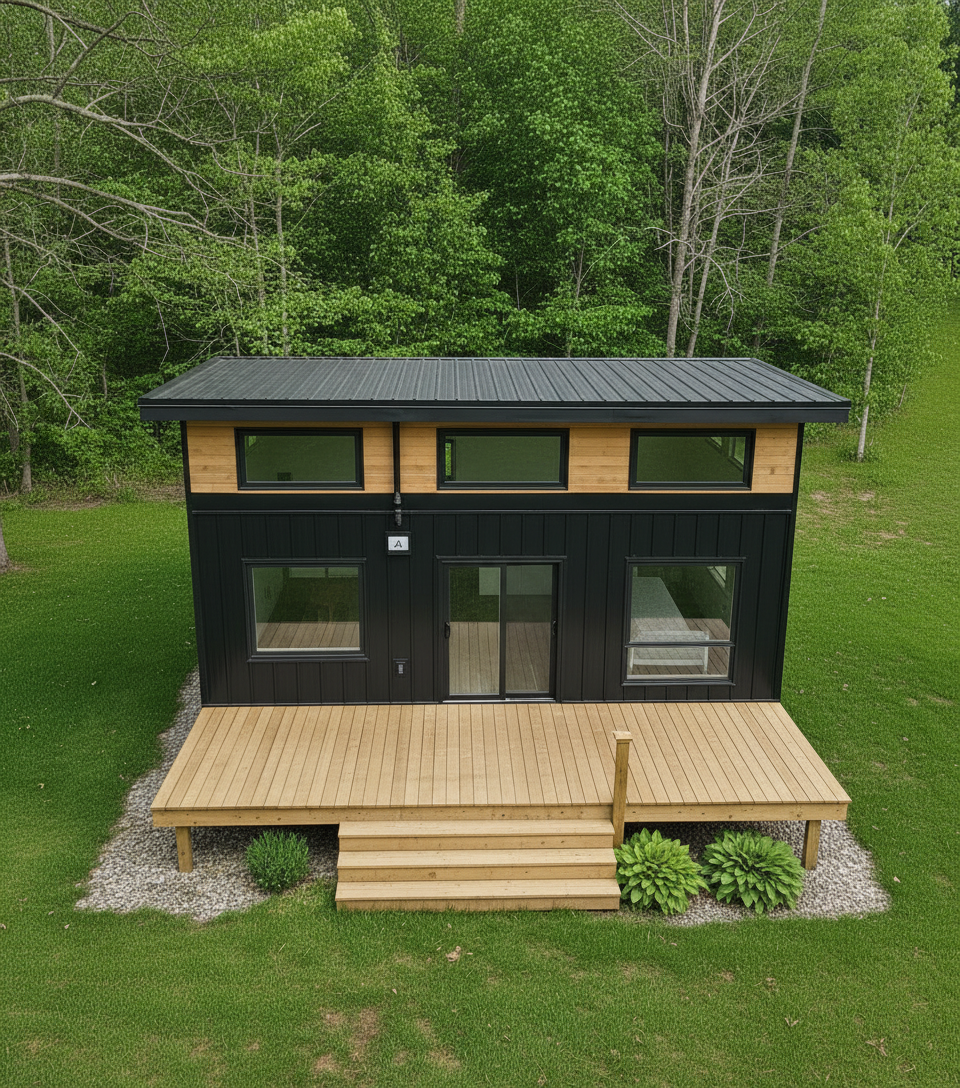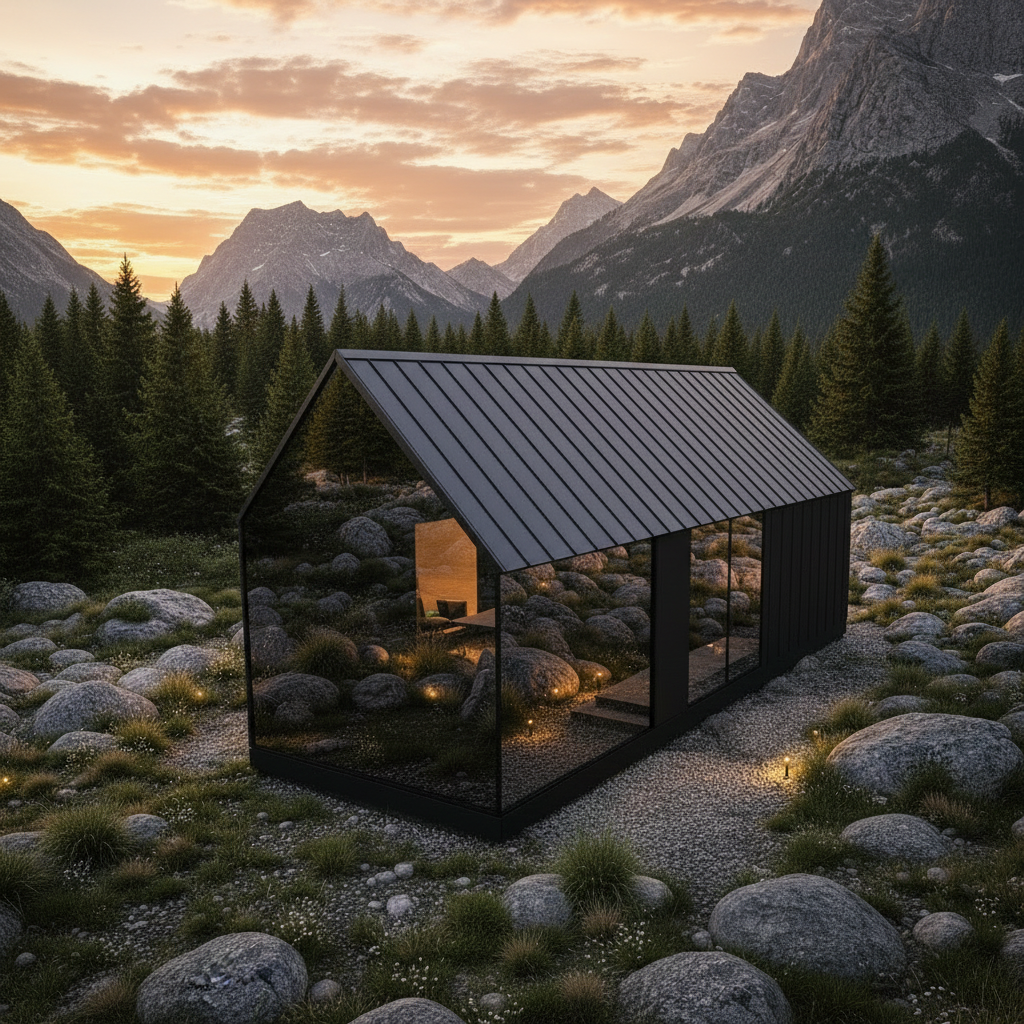
How Modular Construction Speeds Up Resort & Multi-Unit Developments
Rob LeBlanc • May 3, 2024

For resort owners and land developers, speed is not just convenience — it’s capital efficiency.

Carrying costs, financing timelines, seasonal construction windows, and delayed revenue can significantly impact project profitability. Modular construction changes that equation by allowing development to move faster, with greater predictability and reduced risk.

Here’s how.

Parallel Site & Factory Work: The True Game Changer

Traditional construction is linear:

  1. Site prep
  2. Foundation
  3. Framing
  4. Mechanical
  5. Interior

Each phase waits for the previous one to finish.

Modular construction allows simultaneous progress:

  • Site crews complete foundations and servicing.
  • Units are built in a controlled factory environment at the same time.
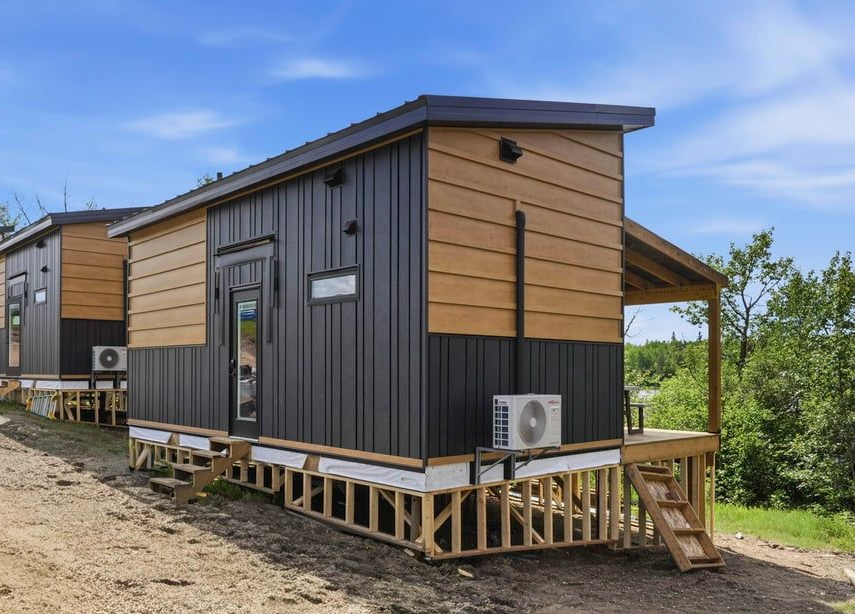
  • Once foundations are ready, modules are delivered and craned into place.

This parallel workflow can compress timelines by 30–50% depending on scope.

For resort and multi-unit developments, that means an entire phase of units can be operational months earlier than conventional builds.

Reduced Carrying Costs & Financial Risk

Speed directly impacts the balance sheet.

Developers carrying:

  • Land acquisition loans
  • Construction financing
  • Interest costs
  • Insurance
  • Opportunity cost of idle capital

Every month saved reduces financial exposure.

Because modular builds are:

  • Weather-protected
  • Built indoors
  • Less dependent on fluctuating labour availability

Timelines are significantly more predictable. That predictability makes budgeting, financing draws, and project planning far more controlled — especially important for multi-phase resort projects.

Faster Revenue Generation

In hospitality and resort development, speed equals revenue.

Launching even a portion of units earlier means:

  • Earlier booking cycles
  • Immediate cash flow
  • Faster brand establishment
  • Stronger investor confidence

For example:

  • A 10-unit cabin development can be staged.
  • Phase one launches while phase two is still under production.
  • Marketing and booking begin while expansion continues.

This phased activation model allows resorts to scale organically without waiting years for full build-out completion.

Stacking & Multi-Unit Scalability

One of the most powerful advantages of modular construction is scalability.

Units can be:

  • Installed side-by-side
  • Designed for repeatable layouts
  • Engineered for multi-level configurations
  • Expanded in future phases without disrupting existing operations

This makes modular ideal for:

  • Resort expansions
  • Workforce housing
  • Boutique hotel developments
  • Wellness villages
  • Multi-unit rental communities

Developers gain the ability to replicate high-performing designs efficiently, maintaining consistency in quality while reducing design and mobilization costs across phases.

Why This Matters More Than Ever

Labour shortages, inflation volatility, and tightening financing conditions have increased development risk across North America.

Modular construction offers:

  • Controlled build environments
  • Compressed timelines
  • Scalable repeatable designs
  • Predictable budgeting
  • Faster return on capital

For resort owners and land developers looking to maximize land value and accelerate revenue generation, factory-built modular construction is not an alternative method — it’s a strategic advantage.

If you're evaluating a new resort project, expansion phase, or multi-unit development, modular construction may allow you to bring it to market significantly faster while protecting your capital and timeline.

By Rob LeBlanc May 22, 2024
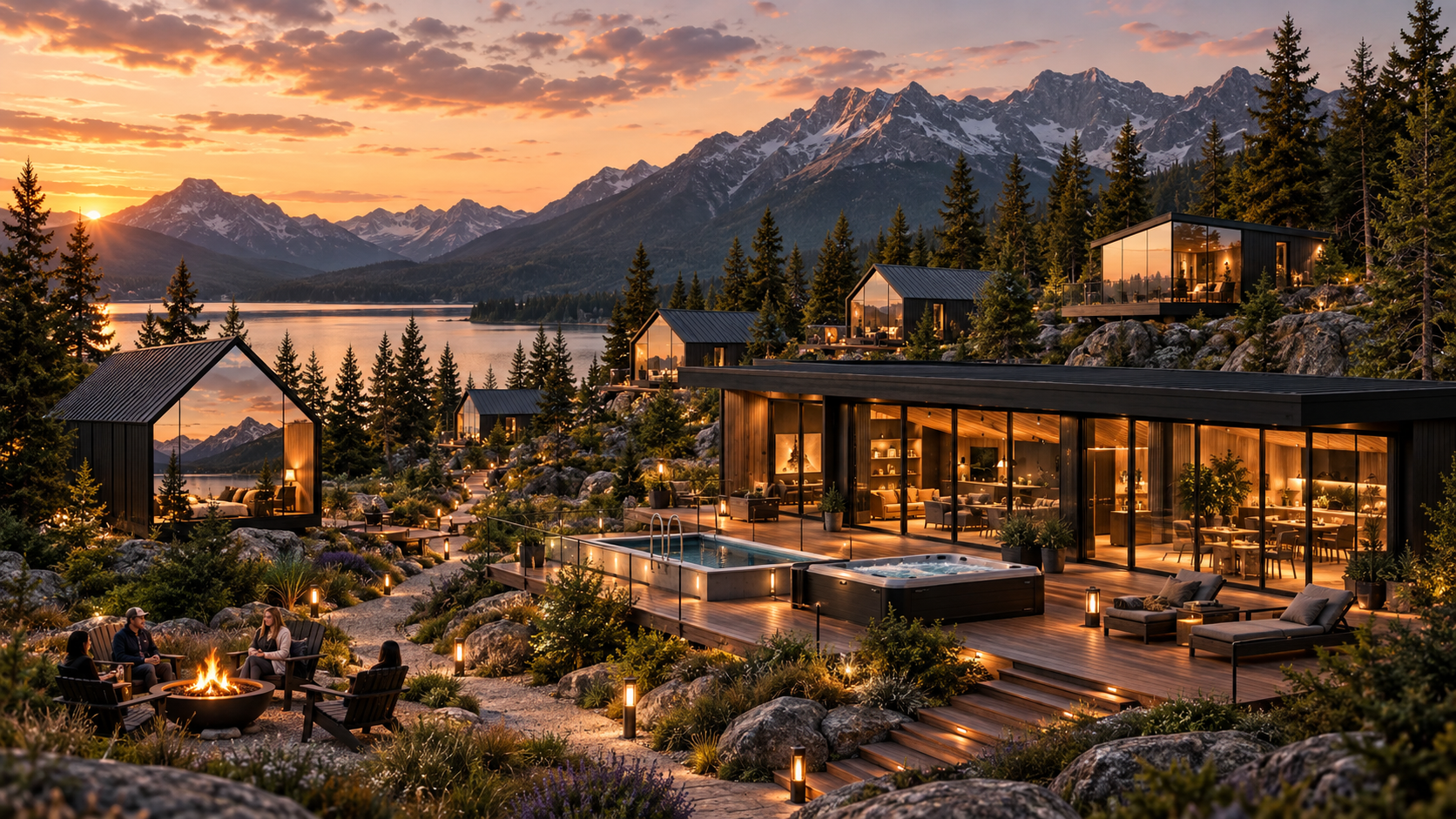
Most people think success in short-term rentals comes down to location. That’s only partially true. We’ve seen average locations outperform prime ones—simply because the product was designed properly. At Rocky Mountain Prefabs, we don’t just build cabins. We design units that are built to perform in the short-term rental market. If your goal is consistent bookings and strong cash flow, here’s what actually matters. 1. Design for Experience—Not Just Function The biggest mistake developers make is building cabins that are practical instead of memorable. Guests don’t book based on square footage. They book based on how the space makes them feel. What performs: Large windows with a view Unique architectural features Indoor-outdoor flow Elevated design (not builder-grade finishes) What doesn’t: Basic boxes with standard layouts Cheap finishes No defining feature If your cabin doesn’t stand out in a crowded Airbnb feed, it won’t get booked. 2. Build Around a “Hero Feature” Every high-performing short-term rental has at least one standout feature. This is the thing that: Stops the scroll Gets clicks Justifies premium pricing Top-performing examples: Rooftop patios with views Saunas or cold plunge setups Floor-to-ceiling glass walls Hot tubs positioned for privacy + scenery If someone can’t immediately say “that’s cool” when they see your listing—you’re already behind. 3. Sleep Capacity Drives Revenue Revenue is directly tied to how many people your unit can comfortably host. A well-designed 1-bedroom that sleeps 4 will outperform a 2-bedroom that only sleeps 2–3. Key strategies: Built-in bunks (done properly, not cheap) Pull-out sofas that are actually comfortable Efficient layouts that maximize usable space The goal is simple: maximize revenue per square foot—not just square footage. 4. Design for Photos First Your cabin isn’t competing in real life. It’s competing on a phone screen. That means: Lighting matters Angles matter Contrast and texture matter Design considerations: Large windows for natural light Clean sightlines from entry points Feature walls or focal points in main living spaces If it doesn’t photograph well, it won’t perform—no matter how nice it is in person. 5. Prioritize Privacy and Outdoor Space Guests are willing to pay more for privacy—even in a resort setting. High-performing cabins: Are spaced properly Have defined outdoor areas Include private seating, patios, or decks Even small additions like privacy screens or strategic orientation can significantly increase perceived value. 6. Build for Year-Round Appeal Occupancy will naturally dip during the off-season—that’s just the reality of short-term rentals. Rates and bookings fluctuate throughout the year. The key isn’t eliminating seasonality—it’s designing your cabins so they still attract guests when demand slows down. That means incorporating features that give people a reason to book in the quieter months, not just the peak season. Winter: Saunas Hot tubs Cozy interior design Outdoor fire pit Indoor fire places Ice skating Snowshoeing Sledding hills Ice fishing Large windows for snow views Heated towel racks Summer: Outdoor living spaces Shade + airflow Views and open layouts Cold plunge/ice buckets Shoulder seasons: Covered patios Fire features Unique indoor experiences The goal is simple: give people a reason to book no matter the time of year. 7. Don’t Cheap Out on the Details Guests notice everything. And more importantly—reviews reflect everything. What impacts reviews: Quality of materials Fit and finish Fixtures and hardware Soundproofing and insulation A cheaper build might save upfront—but it will cost you in: Lower nightly rates Worse reviews Higher maintenance 8. Speed to Market Still Matters Even the best design loses money if it takes too long to build. This is where modular construction becomes a major advantage. While traditional builds drag on with delays, modular allows you to: Build in a controlled environment Reduce timeline risk Launch faster and start generating revenue sooner Final Thoughts Designing a high-performing cabin isn’t about building more—it’s about building smarter. The cabins that consistently achieve 70–80%+ occupancy all have one thing in common: They were intentionally designed for the short-term rental market from day one. At Rocky Mountain Prefabs, we combine: High-performance design Efficient modular construction Real-world short-term rental experience So you’re not just building a cabin—you’re building a revenue-generating asset. Thinking About Building a Resort or Cabin Project? If you’re planning a development and want to maximize occupancy, rates, and ROI—we can help. Reach out to our team to discuss your project and see how we can bring it to life.
By Rob LeBlanc May 21, 2024
In today’s competitive hospitality market, speed is everything. The faster you can get your resort up and running, the sooner you begin generating revenue—and ultimately, return on your investment. For developers and investors, this raises an important question: How quickly can a modular resort project actually pay for itself? The answer: significantly faster than traditional construction. Why Speed Matters for ROI Every month your project is under construction, you are: Paying interest on loans Carrying land and soft costs Generating zero revenue Traditional builds can take 12–24+ months , especially in remote or high-demand areas. Modular construction dramatically compresses this timeline. Modular Construction = Faster Revenue With modular construction, multiple phases happen simultaneously: Site work and foundations can begin while units are being built in the factory Weather delays are minimized Skilled labor is centralized in a controlled environment Typical timelines: Modular build: 3–4 months (unit fabrication) Traditional construction: 12–24+ months That means you could start generating revenue up to a year sooner . Real ROI Timeline Example Let’s break down a simplified scenario: Project: 10-Unit Cabin Resort Cost per unit (delivered): $150,000 Total build cost: $1.5M Average nightly rate: $250 Average occupancy: 65% Annual Revenue Per Unit: $250 × 365 × 65% = ~$59,000 Total Annual Revenue (10 units): ≈ $590,000/year With Modular Construction Fabrication timeline: 3–4 months Site work overlaps with production Revenue can begin within the first year With Traditional Construction Build time: 12–24+ months Revenue delayed significantly Higher carrying costs before any income begins The Hidden Advantage: Time-to-Revenue That 6–12+ month difference could mean: - Hundreds of thousands in early revenue - Faster loan repayment - Earlier reinvestment into expansion - Stronger cash flow and investor confidence This is where modular construction becomes a financial strategy—not just a building method . Faster Scaling = Faster Returns Because modular units are repeatable and efficient: You can scale from 10 → 20 → 50 units faster Expansion phases are easier to plan Revenue compounds sooner Developers using modular often phase projects strategically : Launch initial units quickly Generate revenue Reinvest into expansion Lower Risk, Higher Predictability Speed isn’t the only advantage. Modular construction also offers: More predictable costs Reduced risk of delays Consistent build quality Fewer on-site variables All of this contributes to a more reliable ROI timeline . Final Thoughts If your goal is to: Get to market faster Start generating revenue sooner Reduce risk and uncertainty Scale efficiently Then modular construction is one of the most powerful tools available to modern resort developers. At Rocky Mountain Prefabs, we help developers move from concept to revenue in a fraction of the time—with units often completed in as little as 3–4 months . Want to Learn More? If you're planning a resort or exploring investment opportunities, we’d be happy to walk you through timelines, costs, and ROI projections tailored to your project. Contact us today to get started
By Tori Klein May 6, 2024
Building in remote locations has always been one of the biggest challenges in construction. Limited access, labour shortages, difficult terrain, and unpredictable weather can quickly turn a traditional building project into a costly and time-consuming process. Prefab and modular construction offer a smarter solution. By building structures in a controlled factory environment and transporting them to the final destination, prefab construction dramatically simplifies the challenges of remote builds. Whether it’s mountain resorts, northern cabins, or off-grid developments, modular construction makes projects faster, more efficient, and far more predictable. Here’s why prefab construction is becoming the preferred building method for remote projects. Reduced On-Site Construction Time Traditional construction requires nearly every part of the building process to take place on-site. This means transporting materials, coordinating trades, and managing weather delays — all in locations that may be difficult to access. With prefab construction, most of the building process happens inside a controlled factory environment. Walls, floors, roofs, mechanical systems, and finishes are assembled in the shop before the building is transported to site. Once delivered, installation can often be completed in a matter of days rather than months. For remote developments, this significantly reduces the amount of time crews need to spend on location. Lower Labour Requirements in Difficult Locations One of the biggest challenges in remote construction is labour availability. Skilled trades can be difficult to bring into remote regions, and the costs associated with travel, accommodations, and scheduling can add significant expenses to a project. Prefab construction solves this problem by shifting most of the labour into the factory. Instead of coordinating dozens of trades on site, the majority of work is completed by a trained production team in a controlled environment. Only a smaller installation crew is required at the final destination. This reduces labour costs and simplifies project logistics. Greater Cost Predictability Remote construction projects are often subject to unexpected delays and rising costs. Weather interruptions, transportation issues, and limited access to materials can cause budgets to quickly spiral. Prefab construction offers a much more predictable process. Because buildings are constructed indoors, weather delays are minimized. Materials are sourced in advance, and the construction schedule can be carefully managed within the factory environment. This results in clearer timelines, more accurate budgets, and fewer surprises during the building process. Easier Transportation of Building Components Transporting building materials to remote areas can be extremely challenging. Roads may be limited, weather conditions unpredictable, and supply chains unreliable. Prefab construction simplifies transportation by delivering large sections of the building as completed modules. Instead of hundreds of separate shipments of materials, the building is delivered in a small number of carefully designed modules that can be transported by truck and installed with a crane. This significantly reduces logistical complexity and helps ensure projects stay on schedule. Ideal for Resorts, Cabins, and Remote Developments Prefab construction is particularly well suited for developments located in remote natural environments. Projects such as: • Mountain resorts • Glamping developments • Lakeside cabin communities • Northern workforce housing • Wellness spas and retreat centers can all benefit from the speed, efficiency, and scalability of modular construction. Because prefab buildings can be replicated and installed quickly, developers are able to scale projects efficiently while maintaining consistent quality across multiple units. A Smarter Way to Build in Remote Areas As demand grows for developments in remote and scenic locations, the construction industry is increasingly turning to modular building methods. Prefab construction allows projects to move forward faster, with fewer logistical challenges and more predictable costs. For developers, investors, and resort operators, it offers a smarter way to bring projects to life in locations where traditional construction can be slow, expensive, and difficult to manage. Build Your Remote Project with Rocky Mountain Prefabs At Rocky Mountain Prefabs, we specialize in high-quality modular buildings designed for challenging environments. From luxury cabins and resort units to amenity buildings and spa facilities, our team builds structures in our controlled manufacturing facility and delivers them ready for installation on site. Whether you’re planning a mountain resort, remote cabin development, or off-grid retreat, prefab construction can help bring your project to life faster and more efficiently. Contact our team today to learn more about how modular construction can work for your next project.
By Rob LeBlanc May 1, 2024
If you’re considering a prefabricated or modular building, you’ve probably heard the term CSA A277 — but very few people actually understand what it means or why it’s so important. CSA A277 certification is not just a technical detail. It directly affects whether your building can be permitted, financed, insured, occupied, and resold . In many cases, choosing a building without proper certification can lead to serious (and expensive) problems down the road. Here’s a clear, plain-English breakdown of what CSA A277 is — and why it matters far more than most buyers realize. What Is CSA A277 Certification? CSA A277 is the Canadian standard for factory-built buildings . In simple terms, CSA A277 certification confirms that: A prefabricated building is constructed in a certified manufacturing facility The builder follows approved quality control procedures The building complies with the applicable building codes The unit is inspected by an independent third-party inspection agency throughout construction Unlike traditional site-built homes — which are inspected by a local municipal inspector — CSA A277 buildings are inspected inside the factory , at multiple stages, before the building is ever shipped. Once complete, a CSA A277 certified building receives official documentation and labeling that municipalities and regulators rely on. Who Requires CSA A277 Certification? Many buyers assume CSA A277 is optional. In reality, it is often required — whether explicitly or implicitly — by several key parties. Municipalities Most municipalities in Canada will not issue permits or occupancy approval for factory-built buildings unless they are CSA A277 certified. The certification gives local authorities confidence that the building meets code without needing to inspect it piece-by-piece onsite. Lenders Banks and lenders typically require CSA A277 certification for: Construction financing Mortgage approvals Refinancing Appraisals Without certification, many lenders treat the building as a non-standard structure , which can severely limit financing options — or eliminate them entirely. Insurance Companies Insurance providers rely on CSA A277 certification to assess risk. Buildings without certification are often: Denied coverage Charged significantly higher premiums Excluded from key protections This becomes especially important for rental properties, resorts, and short-term accommodations. Why CSA A277 Is Different From “Site-Built” Inspections One of the biggest misconceptions about prefab construction is that it’s “less regulated” than site-built construction. In reality, it’s more regulated . With CSA A277: Inspections occur at multiple stages inside the factory Quality control procedures are documented and audited The same standards are applied consistently across every build Issues are identified early — not after walls are closed This controlled environment leads to greater consistency, fewer surprises, and higher overall build quality . The Hidden Problems With Uncertified Prefab Buildings Choosing a building that is not CSA A277 certified may save money upfront — but it often creates serious problems later. Common issues include: Municipal refusal to issue permits or occupancy Inability to obtain financing or refinancing Insurance denial or restricted coverage Difficulty reselling the property Costly retrofits that still may not qualify for certification One of the biggest risks is that most buildings cannot be certified after they’re already built . CSA A277 certification applies to the process , not just the finished product. If the building wasn’t constructed in a certified facility under inspection, certification is typically not possible later. Why CSA A277 Ultimately Protects the Buyer While certification adds oversight for builders, it primarily exists to protect buyers . It ensures: Independent third-party verification Code compliance across jurisdictions A documented inspection trail Long-term usability, financeability, and resale value In short, CSA A277 reduces risk — both now and in the future. Our Commitment to CSA A277 Compliance At Rocky Mountain Prefabs, every building is constructed in our CSA A277 certified facility , following strict quality control procedures and third-party inspections throughout the build. Upon completion, clients receive a CSA A277 documentation binder that includes inspection records and compliance documentation — providing confidence, transparency, and long-term value. Final Thoughts CSA A277 certification isn’t just a checkbox. It’s the foundation that allows a prefab building to function as a legitimate, insurable, financeable structure — today and years from now. If you’re considering a prefab or modular build, understanding CSA A277 upfront can save you time, money, and major headaches later.
April 30, 2024
Over the past few years, prefab cabins have moved from a niche building option to one of the most in-demand construction solutions for Airbnb operators and resort developers across North America. From mountain destinations to lakeside retreats, developers are increasingly choosing prefab over traditional construction—and for good reason. Prefab cabins offer a rare combination of speed, scalability, cost control, and design flexibility , making them ideal for short-term rental (STR) portfolios and resort-style developments. Here’s why prefab cabins are dominating the Airbnb and resort space. 1. Faster Builds = Faster Revenue Time is money—especially in short-term rentals. Traditional construction often faces: Weather delays Trade shortages Scheduling conflicts Cost overruns Prefab cabins are built off-site in a controlled factory environment , allowing site work and building fabrication to happen in parallel. This significantly shortens timelines and allows owners to start generating revenue months sooner . For Airbnb operators, that can mean capturing: Peak summer seasons Ski season bookings Festival and event demand Instead of waiting another year, prefab lets you launch sooner and earn faster . 2. Predictable Costs & Lower Financial Risk One of the biggest advantages of prefab cabins is cost certainty . With traditional builds, budgets often creep due to: Material price fluctuations Labour overruns Unexpected site conditions Prefab construction offers: Fixed pricing earlier in the process Reduced labour exposure Minimal waste Fewer surprises For investors and developers scaling multiple units, this predictability is critical. It allows for accurate pro formas, easier financing conversations, and tighter control over ROI . 3. Ideal for Remote, Mountain, and Resort Locations Many of the best Airbnb and resort locations are also the hardest places to build. Prefab cabins shine in: Mountain regions Lakeside and forested areas Remote or limited-access sites Because much of the work is completed in the factory: On-site trade time is minimized Environmental impact is reduced Crane installs can be completed quickly Short access windows can be efficiently used This makes prefab especially attractive for destinations where traditional construction is slow, expensive, or unreliable . 4. Consistent Quality Across Multiple Units For developers building 5, 10, 30, or even 100+ units , consistency matters. Prefab cabins provide: Repeatable designs Standardized construction methods Factory-level quality control Uniform finishes and layouts This consistency leads to: Easier maintenance Predictable guest experiences Stronger brand identity for resorts Better long-term asset performance Guests know what to expect—and that translates into better reviews and higher occupancy . 5. Design That Guests Actually Want Modern prefab cabins are not basic boxes—they’re high-end, design-forward spaces . Today’s prefab cabins often feature: Floor-to-ceiling windows Vaulted ceilings Modern kitchens and baths Luxury finishes Smart layouts that maximize space For Airbnb listings, design directly impacts: Nightly rates Booking velocity Shareability on social media A well-designed prefab cabin isn’t just a place to stay—it’s part of the experience. 6. Amenity Buildings Multiply Revenue Many successful resorts are now pairing cabins with prefab amenity buildings , such as: Saunas Cold plunge facilities Spa and wellness buildings Change rooms and lounges These amenities: Increase nightly rates Extend guest stays Differentiate the resort from competitors Unlock year-round bookings Prefab makes it possible to roll out these amenities quickly and efficiently , without disrupting existing operations. 7. Easier Scaling for Investors & Developers Prefab cabins are built for growth. Whether you’re starting with: A single luxury Airbnb A small multi-cabin retreat A large-scale resort development Prefab allows you to: Start small and expand in phases Replicate proven designs Maintain quality as you scale Reduce complexity across multiple builds For serious investors, prefab isn’t just a construction method—it’s a scalable business model . Final Thoughts Prefab cabins are dominating Airbnb and resort developments because they solve the biggest challenges in construction today: time, cost, labour, and scalability . For investors and developers looking to move faster, reduce risk, and create high-performing rental assets, prefab offers a clear competitive advantage. At Rocky Mountain Prefabs, we specialize in high-quality, CSA A277–certified prefab cabins and amenity buildings designed specifically for short-term rentals and resort environments across North America. If you’re considering a cabin, resort, or Airbnb-focused project, prefab may be the smartest path forward.
By Rob LeBlanc January 29, 2024
Prefab and modular construction have become the preferred building method for residential homes, Airbnb cabins, and resort amenity buildings—especially in mountain, rural, and remote locations. At Rocky Mountain Prefabs , we design and build CSA A277–certified modular buildings at our manufacturing facility in Red Deer, Alberta , and assist with the coordination of transportation and delivery across North America . From full-time residential modular homes to short-term rental cabins and specialized resort amenity buildings , we deliver factory-built solutions that outperform traditional construction. A Full-Service Modular Builder for Residential & Commercial Projects Rocky Mountain Prefabs is more than a prefab manufacturer—we are a complete modular building partner supporting a wide range of residential and commercial applications. Modular Residential Homes We build code-compliant modular homes designed for year-round living, including: Primary residences Secondary and recreational homes Rural and acreage properties Mountain and remote builds Our residential prefab homes are engineered for energy efficiency, durability, and long-term value , while significantly reducing construction timelines compared to site-built homes. Modular Cabins for Airbnb & Short-Term Rental Resorts Short-term rental success depends on layout, durability, and guest experience —not just aesthetics. We specialize in: Modular cabins for Airbnb resorts Investor-focused rental units Scalable cabin programs for resort developments Because we understand short-term rental performance, our cabins are designed to maximize occupancy, photograph beautifully, and withstand high guest turnover . Modular Resort Amenity Buildings & Wellness Structures We are leaders in modular amenity buildings for resorts and hospitality developments , including: Spa buildings Saunas Cold plunge facilities Snow grottos Salt caves Wellness lounges and change facilities Clubhouses and shared resort spaces These modular amenity buildings are engineered for high traffic, moisture control, mechanical complexity, and harsh climates , while offering unique guest experiences that elevate resort value. CSA A277 Modular Builder with Intertek Certification Rocky Mountain Prefabs is a CSA A277 certified modular builder and works with Intertek for third-party inspections and certification. This certification ensures: Engineered and stamped drawings Factory quality control inspections Compliance with building codes across jurisdictions Easier financing, insurance, and permitting Acceptance for residential, commercial, and resort use Our controlled manufacturing environment allows us to deliver consistent quality and predictable outcomes , even for complex modular structures. Modular Buildings Coordinated for Delivery Across North America All modular buildings are constructed at our Red Deer, Alberta manufacturing facility . While we do not directly transport the units, we assist clients with coordinating shipping and logistics across Canada and the United States . Our experience with modular logistics allows us to: Plan for transportation dimensions and routing Coordinate with qualified modular carriers Prepare units for crane placement and on-site installation Support projects in rural, remote, and resort locations This approach ensures smooth delivery while keeping clients in control of their transportation arrangements. A Founder Team That Understands Construction and Real Estate Performance Rocky Mountain Prefabs was founded by a team that combines: An experienced custom home builder A REALTOR® and property manager specializing in short-term rentals This unique combination allows us to build modular homes and resort structures that are not only structurally sound , but also financially intelligent . We understand: Buyer expectations Guest experience Investor return on investment Long-term property performance That insight directly shapes how we design and build every modular unit. Why Clients Choose Rocky Mountain Prefabs Clients choose us because we offer: Residential, resort, and commercial modular expertise CSA A277 & Intertek certification Faster, predictable factory build timelines Logistics coordination support across North America Proven experience in short-term rental and resort development We help clients maximize land value, accelerate timelines, and reduce construction risk . The Smarter Way to Build Modular Homes & Resorts Prefab and modular construction are no longer alternatives—they are the future of efficient, high-quality building . If you’re planning: A modular residential home Airbnb cabins or a short-term rental resort Spa, wellness, or amenity buildings A scalable modular development Rocky Mountain Prefabs delivers certified construction, proven experience, and North American reach —from our Red Deer facility to your site. Build smarter. Build faster. Build with Rocky Mountain Prefabs.